
Kamal Nayan
Hi, I'm Kamal, a Fullstack Web Developer passionate about building fast, accessible, and scalable web applications. I specialize in modern JavaScript frameworks like Next.js, Node.js, and NestJS, and love working on projects that blend great design with powerful functionality.
Currently exploring headless CMS workflows with Sanity.io to create dynamic content experiences. I enjoy solving real-world problems through clean code, automation, and intuitive UX.
When I'm not coding, I'm probably brainstorming startup ideas, learning new tech, or documenting my journey to help other developers grow.
Articles by Kamal Nayan

Real-World Uses of Blockchain Beyond Crypto
While cryptocurrencies like Bitcoin and Ethereum made blockchain famous, the technology’s true potential goes far beyond digital money. 🔗 Key Applications: Supply Chain Tracking: Companies like Walmart use blockchain to trace food products from farm to shelf. Healthcare: Secure patient records, interoperable health data. Voting Systems: Transparent and tamper-resistant digital voting. Intellectual Property: NFTs and digital ownership. Finance (DeFi): Loans, savings, and trading without traditional banks. Blockchain is becoming the backbone of a trustless digital economy, opening doors for innovation across industries.
June 15, 2025

Blockchain 101: A Beginner's Guide to the Future of the Internet
Blockchain is one of the most talked-about technologies of the 21st century—but what is it, really? In simple terms, blockchain is a digital ledger that stores data in a decentralized, tamper-proof way. Instead of a single central authority, data is spread across a network of computers (called nodes), making it nearly impossible to hack or alter without consensus. 🔍 Why It Matters: Transparency: Everyone on the network can view transactions. Security: Data is cryptographically protected. Decentralization: No middlemen, no gatekeepers. From powering cryptocurrencies like Bitcoin to enabling smart contracts on Ethereum, blockchain is transforming everything from finance to supply chains.
June 15, 2025

Smart Contracts: The Future of Legal Agreements
Smart contracts are self-executing agreements on the blockchain. They reduce the need for intermediaries, cut costs, and increase trust. From DeFi to supply chains, the use cases are expanding rapidly.
January 1, 1970

🌐 The Power of the Cloud: Why Every Business is Moving Online
Absolutely! Here's another blog post idea and write-up: 🌐 The Power of the Cloud: Why Every Business is Moving Online In today's digital-first world, cloud computing is no longer a buzzword—it's the backbone of modern business. From startups to Fortune 500 companies, everyone is adopting the cloud to stay agile, secure, and scalable. But what’s driving this massive shift? Let’s explore the real power of the cloud. 🚛 Goodbye Hardware, Hello Flexibility Traditionally, businesses had to invest heavily in on-premise infrastructure—servers, networking equipment, IT teams to manage it all. The cloud changed the game. Now, businesses can rent computing power and storage with a few clicks and only pay for what they use. Whether you're launching a website or running a global app, the cloud lets you scale effortlessly without worrying about hardware. 🧠 Innovation at the Speed of Thought Cloud platforms offer advanced tools out of the box: Machine Learning APIs Real-time Analytics Dashboards Serverless Functions Auto-scaling and Load Balancing This enables teams to build faster, experiment more, and ship quicker, unlocking innovation at a fraction of traditional costs. 🔒 Built-in Security & Compliance Cloud providers like AWS, Azure, and Google Cloud invest billions into cybersecurity. Encryption, access control, and regular audits are part of the package. Plus, most platforms are compliant with industry standards like GDPR, HIPAA, and ISO. Security in the cloud is a shared responsibility—but the baseline is already world-class. 🌎 Remote Work’s Best Friend Cloud systems are inherently accessible from anywhere. Whether your team is working from a coffee shop or across time zones, cloud tools ensure seamless collaboration through: Cloud-based storage (Google Drive, Dropbox) Project management tools (Jira, Notion) Communication platforms (Slack, Zoom) Remote work wouldn't be possible—at scale—without the cloud. ⚙️ Real-World Examples Netflix uses AWS to stream to millions globally. Airbnb runs its infrastructure on Google Cloud for high availability. NASA uses the cloud to store, process, and analyze vast amounts of space data. From entertainment to space exploration, the cloud is everywhere. 📈 Final Words: The Cloud is Just Getting Started Cloud computing is not just about storage or virtual machines anymore. It's about powering the next wave of digital transformation—AI, IoT, blockchain, edge computing, and more. If your business isn’t on the cloud yet, now’s the time to explore it. If you’re a developer or entrepreneur, learning cloud skills is an investment in your future. In the digital era, the cloud isn’t just an option. It’s the foundation. Need help deciding between AWS, GCP, or Azure? Or want a step-by-step guide to deploy your first app to the cloud? Just ask — I’m here to help.
June 15, 2025

testing
this is testing this is testing this is testing this is testing this is testing this is testing this is testing this is testing this is testing this is testing this is testing this is testing this is testing this is testing this is testing this is testing this is testing this is testing this is testing
October 29, 2025
NestJS: The Scalable Backend Framework Every Developer Should Know
Absolutely! Here's a well-written and informative blog post on NestJS, suitable for developers looking to explore or adopt this powerful backend framework: 🚀 NestJS: The Scalable Backend Framework Every Developer Should Know Modern web development demands scalability, structure, and speed—and that’s where NestJS shines. Whether you're building a simple API or a complex enterprise application, NestJS offers a clean, extensible architecture powered by TypeScript and Node.js. If you're coming from Express or diving into backend development, NestJS might just become your new best friend. 🧱 What is NestJS? NestJS is a progressive Node.js framework built with TypeScript, inspired by Angular's modular design. It provides a powerful set of tools to help developers write testable, scalable, and maintainable server-side applications. 📦 Built on Top of: Express (default HTTP server) Optionally Fastify (for better performance) Fully compatible with TypeScript and modern JS decorators 🎯 Why Use NestJS? Here’s why developers love it: ✅ Modular Architecture Everything in Nest is a module—controllers, services, middleware, etc. This makes the codebase organized and easy to scale. ✅ Dependency Injection (DI) NestJS uses a powerful DI system to manage components and services, reducing tight coupling and increasing testability. ✅ TypeScript First Nest is written in and for TypeScript, so you get type safety, IntelliSense, and better code maintainability. ✅ Built-in Features Routing (like Express) Guards, Interceptors, Middleware WebSockets, GraphQL, Microservices Database Integration (TypeORM, Prisma, Mongoose) 📦 Getting Started Install NestJS CLI: npm i -g @nestjs/cli Create a new project: nest new my-backend-app You’ll get a clean folder structure with modules, controllers, and services already in place. 🧪 A Quick Example Here’s what a basic controller looks like: import { Controller, Get } from '@nestjs/common'; @Controller('hello') export class HelloController { @Get() sayHello(): string { return 'Hello from NestJS!'; } } Simple, right? NestJS handles the routing, DI, and more behind the scenes. ⚙️ Integrating with Databases Nest supports: TypeORM: for relational databases Mongoose: for MongoDB Prisma: modern ORM with a great DX Example with Prisma: npm install @prisma/client npm install -D prisma npx prisma init Then, use it in a service: @Injectable() export class UserService { constructor(private prisma: PrismaService) {} getUsers() { return this.prisma.user.findMany(); } } 🔐 Authentication & More NestJS makes it easy to build secure APIs using: JWT Authentication Passport.js strategies Role-based access with Guards Session and cookie support ⚡️ Real-World Use Cases Building RESTful APIs Real-time chat apps (with WebSockets) GraphQL APIs with auto-generated schemas Microservice architectures Admin dashboards and internal tooling 🧠 Final Thoughts NestJS offers a balance of structure and flexibility. It’s built with enterprise-scale applications in mind but remains accessible for beginners. If you're building a modern backend in Node.js, NestJS isn't just an option—it's a superpower. 🔗 Resources Official Docs NestJS GitHub Awesome NestJS (Curated List)
June 17, 2025

How AI is Enhancing Customer Support
Chatbots and virtual agents are now resolving 70% of queries without human intervention. Trained on large language models, AI is redefining support as faster, smarter, and always available.
January 1, 1970
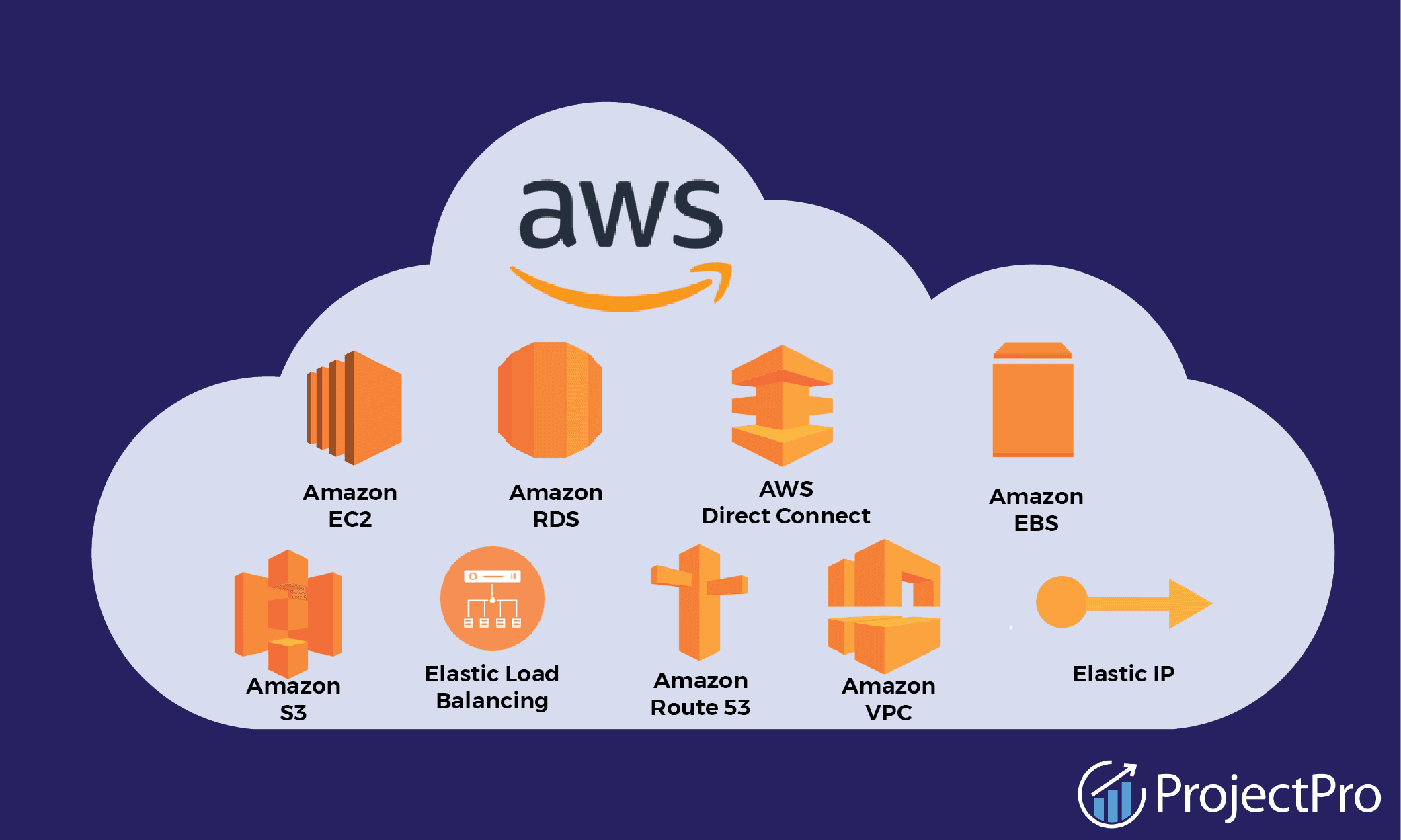
What is AWS? A Beginner's Guide to Amazon Web Services
In this beginner’s guide, we’ll break down Amazon Web Services (AWS) — what it is, what it offers, and why it’s such a big deal in the world of tech. 🧠 What is AWS? Amazon Web Services (AWS) is a cloud computing platform offered by Amazon. It provides on-demand access to computing resources, such as servers, databases, storage, and more — all through the internet. Instead of buying and managing physical servers, you can rent what you need from AWS, scale it as your app or business grows, and only pay for what you use. 🚀 Why Do People Use AWS? Here’s why millions of businesses and developers choose AWS: Scalability – Start small and scale big without switching platforms. Cost-Effective – Pay-as-you-go pricing means no upfront infrastructure costs. Reliable – AWS runs in multiple data centers around the world, ensuring high availability. Secure – Trusted by companies like Netflix, NASA, and Airbnb. Huge Ecosystem – Over 200 fully featured services for compute, storage, AI, IoT, and more. 🧰 Core AWS Services (In Simple Terms) Here are a few popular AWS services to know: Service What it does EC2 Virtual servers to run apps and websites S3 Store files (like images, videos, backups) RDS Managed relational databases (e.g., MySQL, PostgreSQL) Lambda Run code without managing servers (serverless) CloudFront Content delivery network (CDN) for faster websites DynamoDB NoSQL database service for high-speed apps VPC Create a private network inside AWS 🏗️ Real-World Example Let’s say you’re building a startup website: You host the backend using EC2 or Lambda Store user-uploaded images in S3 Use RDS or DynamoDB for storing data Speed up global access using CloudFront Set up security using IAM (Identity & Access Management) And all of this can scale automatically based on your traffic 🚀 💡 Should You Learn AWS? If you’re a developer, DevOps engineer, or entrepreneur, yes — learning the basics of AWS is incredibly valuable. It empowers you to: Build projects without needing physical servers Launch globally-accessible apps Understand how most modern companies host their infrastructure 📚 How to Start? Here are a few beginner resources to get you started: AWS Free Tier – Try AWS services for free AWS Skill Builder – Official learning platform YouTube channels like freeCodeCamp and TechWorld with Nana 🧾 Conclusion Amazon Web Services is more than just cloud storage — it’s the backbone of the modern internet. Whether you're deploying an app, storing data, or experimenting with AI, AWS gives you the tools to do it all in the cloud. Start small, explore the free tier, and grow as you build. The cloud is waiting 🌩️ Would you like a visual/SEO-optimized version with headings, meta description, and tags to publish on your Sanity blog?
June 11, 2025

Machine Learning in Fraud Detection
Financial institutions are leveraging ML to detect fraud patterns in real-time. By training models on transaction data, banks are stopping fraud before it even happens.
January 1, 1970
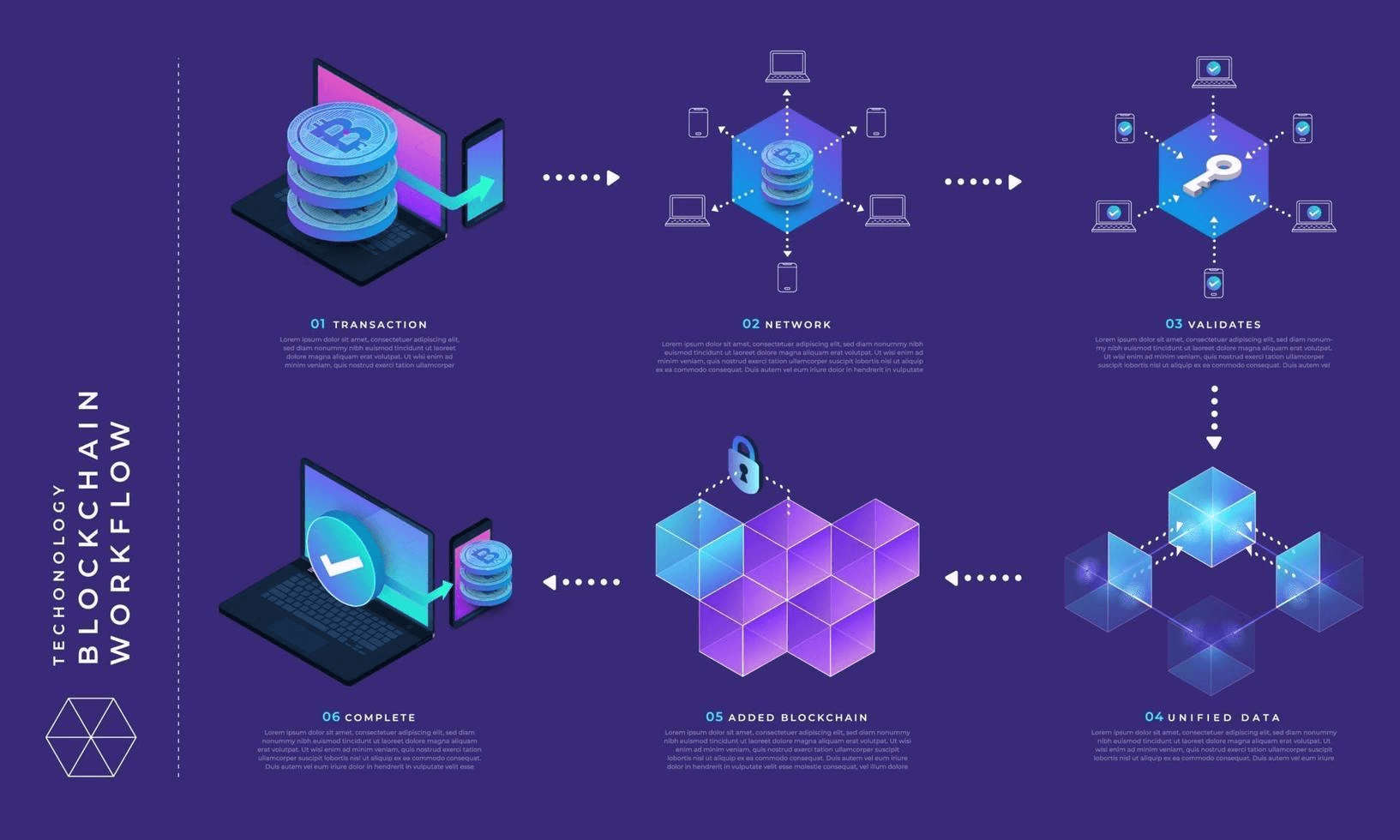
Smart Contracts: The Programmable Future of Agreements
Imagine if a contract executed itself the moment its conditions were met. That’s the power of smart contracts—self-executing code stored on a blockchain. ✨ How Smart Contracts Work: Written in code (e.g., Solidity on Ethereum). Deployed to a blockchain. Automatically trigger actions like payments, transfers, or alerts. Use cases include: Crowdfunding platforms (e.g., Kickstarter alternatives like Mirror). DeFi protocols (e.g., Uniswap, Compound). Real estate agreements, royalties, and digital identity. Smart contracts reduce reliance on third parties and add efficiency, trust, and automation to business logic.
June 24, 2025

☁️ Understanding Cloud Computing: The Future of Digital Infrastructure
☁️ Understanding Cloud Computing: The Future of Digital Infrastructure In the past, businesses and developers had to rely on physical servers, bulky hard drives, and expensive infrastructure to store and manage their data. Fast forward to today—cloud computing has revolutionized the way we build, deploy, and scale applications. But what exactly is the cloud, and why is it such a big deal? Let’s break it down. 💡 What is Cloud Computing? Cloud computing is the delivery of computing services—servers, storage, databases, networking, software, analytics, and intelligence—over the internet (“the cloud”) to offer faster innovation, flexible resources, and economies of scale. Instead of owning and maintaining physical data centers and servers, you can access these resources on-demand from a cloud provider like: Amazon Web Services (AWS) Microsoft Azure Google Cloud Platform (GCP) Think of it like Netflix for computing: you don’t need to buy the DVD (hardware); you just stream what you need (resources) when you need it. 🧱 Types of Cloud Services Cloud computing is typically categorized into three main service models: 1. IaaS (Infrastructure as a Service) You rent IT infrastructure—servers and virtual machines (VMs), storage, networks—from a cloud provider. 🛠 Example: AWS EC2, Azure Virtual Machines 2. PaaS (Platform as a Service) You get a platform to build, test, and deploy applications without worrying about infrastructure. 💻 Example: Heroku, Google App Engine 3. SaaS (Software as a Service) You use software hosted in the cloud on a subscription basis. 📧 Example: Gmail, Dropbox, Slack ☁️ Deployment Models Cloud computing comes in different flavors, depending on how much control and security you need: Public Cloud: Services offered over the internet (e.g., AWS, GCP). Private Cloud: Dedicated infrastructure for one organization, often hosted on-site. Hybrid Cloud: A combination of both public and private clouds, offering more flexibility. 🔐 Is the Cloud Secure? Yes—and no. Cloud providers invest heavily in security, compliance, and reliability. However, it's still a shared responsibility: Cloud provider: Secures the infrastructure. You (the customer): Secure your applications, data, and access controls. Cloud security best practices include data encryption, access management, firewalls, and regular backups. 🚀 Why Use the Cloud? Here are a few reasons why companies—from startups to enterprises—are embracing the cloud: Scalability: Easily handle traffic spikes and growth. Cost Efficiency: Pay only for what you use. Accessibility: Access from anywhere in the world. Disaster Recovery: Data is backed up and replicated. Speed: Deploy new apps or features in minutes. 🧠 Real-World Use Cases Startups use cloud services to launch MVPs without upfront costs. Enterprises move legacy systems to the cloud to modernize their infrastructure. Game studios host multiplayer servers. AI/ML teams train large models using cloud GPUs. 🛠 Getting Started with Cloud You can begin your cloud journey for free using starter tiers from major providers: AWS Free Tier Google Cloud Free Tier Azure Free Account If you're a developer, try deploying a small app or a portfolio site using tools like: Vercel (great for frontend) Render / Railway (backend & databases) Firebase (realtime apps, serverless functions) 🌤 The Future of the Cloud With trends like edge computing, serverless architecture, and multi-cloud strategies, cloud computing is only becoming more essential in the digital world. As AI, IoT, and Web3 evolve, the cloud will remain the invisible backbone of innovation. ✨ Final Thoughts Cloud computing has transformed the way we think about technology. Whether you're a developer, business owner, or just a curious learner, understanding the cloud is no longer optional—it’s a foundational tech skill. “The cloud is not just a place; it’s a mindset shift from ownership to access, from capital expense to operating flexibility.” Want to explore deeper topics like serverless, DevOps in the cloud, or how to become a cloud engineer? Let me know—I’ll write more blog posts on those!
June 17, 2025